Tevet 3, 5784; from sunset December 14, 2023, to sunset December 15, 2023
Over the past few weeks we’ve read about the build up to the Feast of Hanukkah. During the Feast itself, we’ve looked at Scriptures related to the menorah and the oil. Hanukkah is all about dedications of temples and lights miraculously shining in the darkness. But it’s not just about the material world.
Yes, it’s about the physical temple, but it’s also about our spiritual temple.
Do you not know that you are God’s temple and that God’s Spirit dwells in you? – 1 Corinthians 3:16 (RSV)
And, yes, it’s about a flame burning miraculously for eight days, but it’s also about keeping the commandments of God.
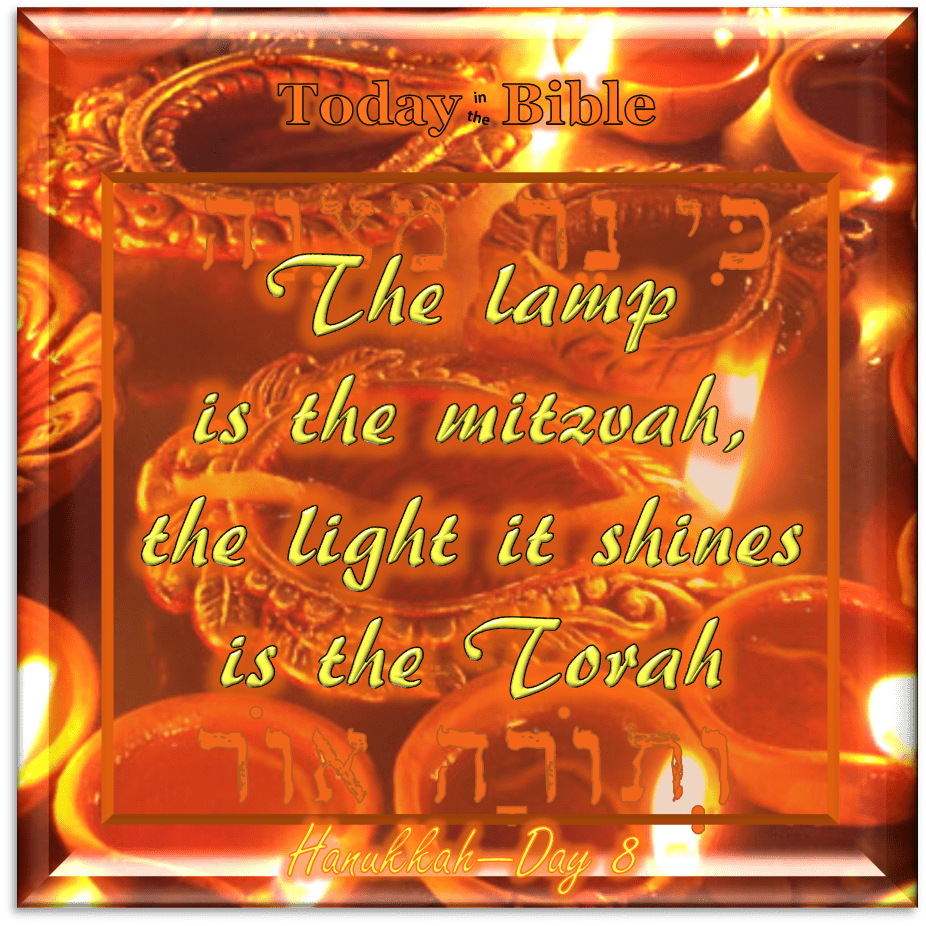
כִּי נֵר מִצְוָה וְתוֹרָה אוֹר וְדֶרֶךְ חַיִּים תּוֹכְחוֹת מוּסָר
Ki ner mitzvah vetorah or vederech chayim toch-chot musar.
For the lamp is the commandment and the Torah is the light and the way of life are the reproofs of discipline. – Proverbs 6:23
And it’s not about keeping the commandments perfectly in order to be saved, if you’ve put your faith and hope in Jesus that’s already taken care of. (John 3:16) Rather, we can follow the example of the Maccabees. We can keep the commandments as best as we can with what we have. Why do this? It’s a righteous way of living and it lets others see our good works so that they may glorify our Father in heaven.
“You are the light of the world. A city that is set on a hill cannot be hidden. Nor do they light a lamp and put it under a basket, but on a lampstand, and it gives light to all who are in the house. Let your light so shine before men, that they may see your good works and glorify your Father in heaven.
“Do not think that I came to destroy the Law or the Prophets. I did not come to destroy but to fulfill. For assuredly, I say to you, till heaven and earth pass away, one jot or one tittle will by no means pass from the law till all is fulfilled. Whoever therefore breaks one of the least of these commandments, and teaches men so, shall be called least in the kingdom of heaven; but whoever does and teaches them, he shall be called great in the kingdom of heaven. For I say to you, that unless your righteousness exceeds the righteousness of the scribes and Pharisees, you will by no means enter the kingdom of heaven. – Matthew 5:14-20 (NKJ)
If a king makes a law for those living in his kingdom to follow but no one follows the law, does the king really have a kingdom? Or if everyone believes the laws of the king are only meant to be followed by his son, the prince, what does that even mean? One of the things that is often glossed over during the celebration of Hanukkah is the great determination of those loyal to the LORD to do the best they could, with what they had, to keep His commandments. The story of Hanukkah is full of people who would rather die than eat unclean foods or not circumcise theirs sons or turn their back on the “Torah” – the “Instructions” – the “Teachings” of God. But, just as in our day, there were many who did put aside their faith and conformed to the way of the Greeks. They consented to sacrificing to idols, eating unclean foods, and not circumcising their sons. They turned their backs on the Torah of the King.
As a Christian, I’m afraid that I fell into the second category for a long time. But, after going through my own trying times, I started seeking the LORD. I began to really study the Bible in context with its culture. When the season of Hanukkah rolled around, I realized I knew nothing about it – other than it was the “Jewish Christmas” – only you got eight days’ worth of presents – so much better! (Boy, was I wrong.) So I studied the story of Hanukkah and read about the woman who lost her seven sons because they all refused to turn their back on the LORD. And the man who refused to let others think he was eating unclean food, even if the food he was eating was actually kosher. He didn’t want to leave the impression of impropriety, even if untrue.
Then the following verses were placed before me.
Let no one deceive you in any way; for that day will not come, unless the rebellion comes first, and the man of lawlessness is revealed, the son of perdition, who opposes and exalts himself against every so-called god or object of worship, so that he takes his seat in the temple of God, proclaiming himself to be God. – 2 Thessalonians 2:3-4 (RSV)
The man of lawlessness. The man of “no Torah” is another way of phrasing this. This verse is referencing the antichrist. In a way, I was “Torah-less.” Then I realized that I was eating unclean foods voluntarily, no one was threatening my life. I was breaking all kinds of commandments without even thinking about it. Those people would rather die than live like me. Who was I, really? I wasn’t obeying the commandments of the King of the Kingdom. I was ripe for being fooled in the end days. How could I expect to identify the antichrist if I didn’t really know what the real Christ would be like? And I felt, for the first time in my life, that I had a veil removed from my eyes and I could see things so much more clearly than I ever had before. Though I didn’t understand it at the time, that Hanukkah, I was experiencing the rededication of my own temple. And it wasn’t because of any great thing I did. I did what I could with what I had at the time – this is all that God needs to perform a miracle. He can do a lot with a little.
If you think about it, the Maccabees had cleansed their “temples” long before they cleansed “The Temple.” They let their “light shine” long before they lit the menorah. They did what they could with what they had and the LORD performed miracle after miracle. The Bible is full of stories such as this.
If we go back to our studies of Yom Kippur; we looked at Adam and Eve who were created in the image and likeness of God. The Zohar supposed that they were created as beings of light and when they sinned, God covered them with skin. We thought of Jesus at His transfiguration and saw how He shone like the sun and again in the book of Revelation when He was standing among the lampstands – His face shone like the sun. If sinning is breaking the commandments of God, then Jesus, the sinless Son of God, did not break a one. If He shines, then wouldn’t it make sense that Adam and Eve could have also shone, before they experienced sin? Perhaps those of us who have experience His atonement for our sins may also shine like the sun – in the twinkling of an eye. But, for today, we can let our light shine by walking out His commandments and letting others see our light and experience the goodness of our God. When we keep His commandments properly, always focused on loving our neighbor and loving God, we’re displaying His attributes, His Glory, and introducing people to who He really is.
And the LORD descended in the cloud and stood with him there, and proclaimed the name of the LORD. The LORD passed before him, and proclaimed, “The LORD, the LORD, a God merciful and gracious, slow to anger, and abounding in steadfast love and faithfulness, keeping steadfast love for thousands, forgiving iniquity and transgression and sin, but who will by no means clear the guilty, visiting the iniquity of the fathers upon the children and the children’s children, to the third and the fourth generation.” – Exodus 34:5-7 (RSV)
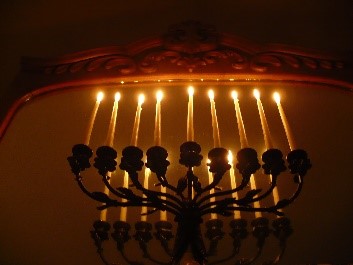
Hanukkah – Day 8
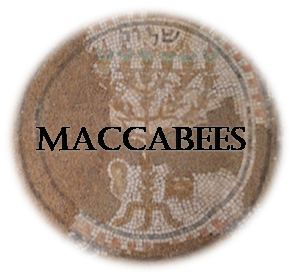
To see all of our posts revolving around the history of the Maccabees, just click on the image above.
© 2026 Today in the Bible
 Today in the Bible
You must be logged in to post a comment.