

Adar 14, 5785; from sunset March 13, 2025, to sunset March 14, 2025
(The fourteenth day of the twelfth month)
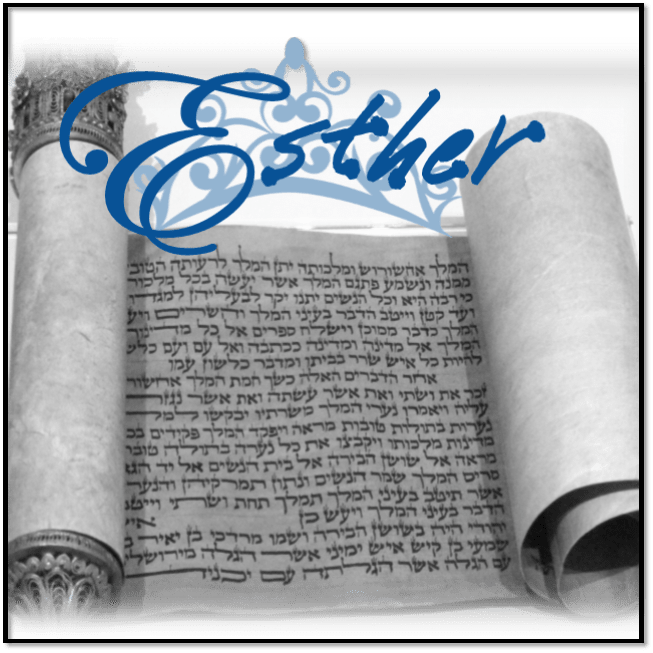
Esther is the Persian name of a Hebrew girl named “Hadassah.” Hadassah originates in the Hebrew “hadas” which means “myrtle.” The name Esther could either be from the Persian word for star (setareh) or the Median word for myrtle (astra). The myrtle tree produces a star-shaped flower which may be the connection between these words.
Purim Battles in Shushan
Purim Victory Celebrated in the Country
Today in the Bible, we celebrate the festival of Purim. The name Purim means “lots” and comes from Haman’s act of casting lots to see what date they would choose to exterminate the Jewish people from the land of Persia. The Bible tells us that, today, the Jews in the provinces rested and celebrated the victory over their enemies; while the Jews in Shushan were still fighting and realized a great victory within the city walls. Tomorrow, we’ll remember the Jews of Shushan’s celebration after their triumph.
The Jews who were in Susa gathered also on the fourteenth day of the month of Adar and they slew three hundred men in Susa; but they laid no hands on the plunder.
Now the other Jews who were in the king’s provinces also gathered to defend their lives, and got relief from their enemies, and slew seventy-five thousand of those who hated them; but they laid no hands on the plunder. This was on the thirteenth day of the month of Adar, and on the fourteenth day they rested and made that a day of feasting and gladness.
But the Jews who were in Susa gathered on the thirteenth day and on the fourteenth, and rested on the fifteenth day, making that a day of feasting and gladness.
Therefore the Jews of the villages, who live in the open towns, hold the fourteenth day of the month of Adar as a day for gladness and feasting and holiday-making, and a day on which they send choice portions to one another.
And Mordecai recorded these things, and sent letters to all the Jews who were in all the provinces of King Ahasuerus, both near and far, enjoining them that they should keep the fourteenth day of the month Adar and also the fifteenth day of the same, year by year, as the days on which the Jews got relief from their enemies, and as the month that had been turned for them from sorrow into gladness and from mourning into a holiday; that they should make them days of feasting and gladness, days for sending choice portions to one another and gifts to the poor.
So the Jews undertook to do as they had begun, and as Mordecai had written to them. For Haman the Agagite, the son of Hammedatha, the enemy of all the Jews, had plotted against the Jews to destroy them, and had cast Pur, that is the lot, to crush and destroy them; but when Esther came before the king, he gave orders in writing that his wicked plot which he had devised against the Jews should come upon his own head, and that he and his sons should be hanged on the gallows. Therefore they called these days Purim, after the term Pur. And therefore, because of all that was written in this letter, and of what they had faced in this matter, and of what had befallen them, the Jews ordained and took it upon themselves and their descendants and all who joined them, that without fail they would keep these two days according to what was written and at the time appointed every year, that these days should be remembered and kept throughout every generation, in every family, province, and city, and that these days of Purim should never fall into disuse among the Jews, nor should the commemoration of these days cease among their descendants.
Then Queen Esther, the daughter of Abihail, and Mordecai the Jew gave full written authority, confirming this second letter about Purim. Letters were sent to all the Jews, to the hundred and twenty-seven provinces of the kingdom of Ahasuerus, in words of peace and truth, that these days of Purim should be observed at their appointed seasons, as Mordecai the Jew and Queen Esther enjoined upon the Jews, and as they had laid down for themselves and for their descendants, with regard to their fasts and their lamenting. The command of Queen Esther fixed these practices of Purim, and it was recorded in writing. – Esther 9:15-32 (RSV)
Did you know that you can view any of our posts whenever you’d like?
Visit our home page at https://todayinthebible.com
where you can find them organized by month
in the “Archives” section on the right side of the page.

© 2026 Today in the Bible

 Today in the Bible
You must be logged in to post a comment.