
Av 12, 5785; from sunset August 5, 2025, to sunset August 6, 2025
(The twelfth day of the fifth month)
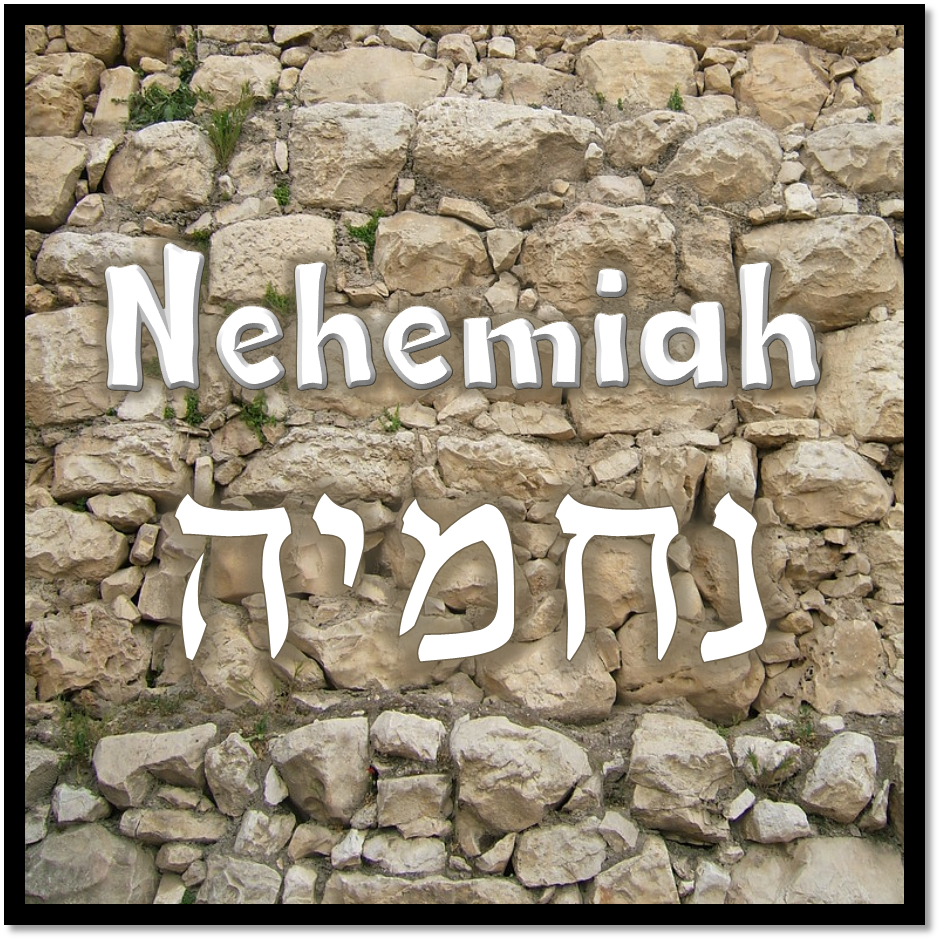
This is an image of a portion of the wall rebuilt by Nehemiah and company.
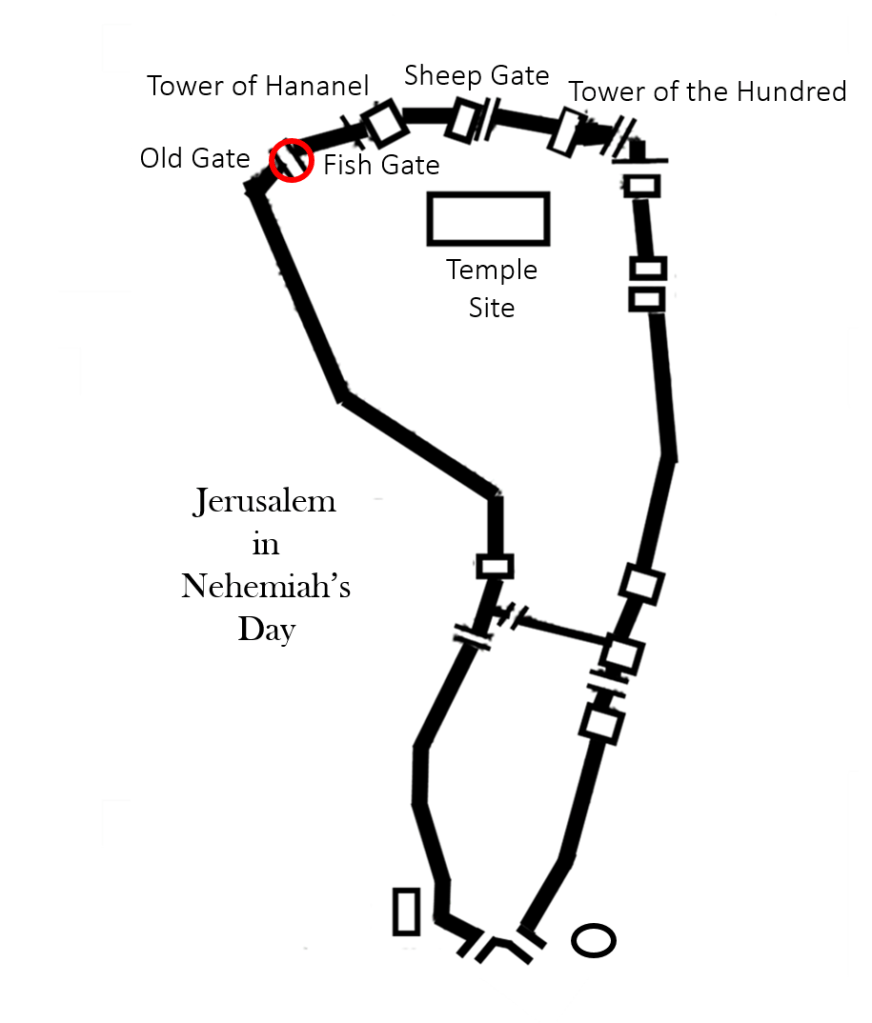
Today in the Bible, we’re in the midst of the 52 days that the Bible says it took to restore the walls and gates of Jerusalem after the children of Israel returned from the Babylonian exile. We’ve been doing our best to get to know each individual mentioned in the book of Nehemiah. Today we’ll meet Jehoiada the son of Paseah and another man named Meshullam.
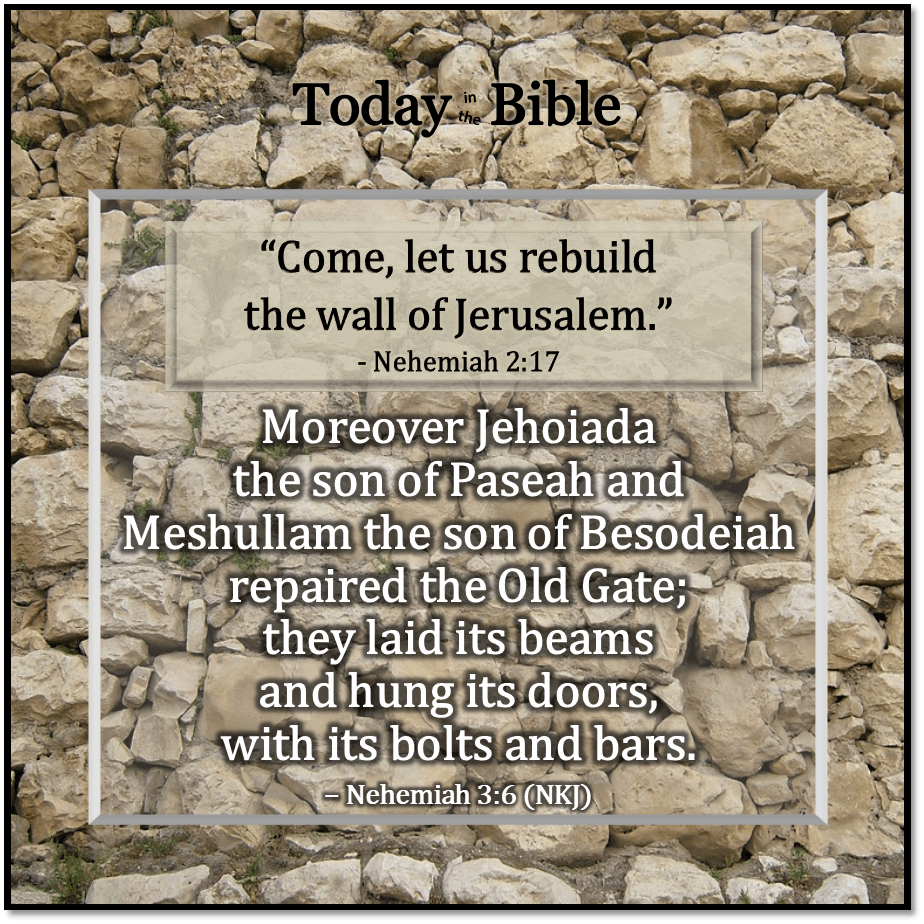
Moreover Jehoiada the son of Paseah and Meshullam the son of Besodeiah repaired the Old Gate; they laid its beams and hung its doors, with its bolts and bars. – Nehemiah 3:6 (NKJ)
שַׁעַר הַיְשָׁנָה
Sha’ar Hayeshanah = The Old Gate
The word “sha’ar” means “gate.” Sha’ar Hayeshanah means the “Gate of Old” or even “Gate of Sleep.” The verb “yashen” means to sleep, to be asleep, to make one go to sleep.” “Yashan” is a word that comes out of this root and it is translated as “old.” I guess old people sleep a lot (😊).
The word “shanah” is also related to this word, it means “year.” We understand the connection between “shanah” and “yashan” as this: after one has slept, they are renewed for a new day – just as each year is a renewal. The ancient two-letter parent root of these words is “shen.” A “shen” is a tooth, specifically the two front teeth. The word “sheni” means “second” – which carries with it the connotation of a repetition – a doubling. In fact, in the ancient Hebrew alphabet, the letter “shin” was a picture of the two front teeth which can still be seen in today’s letter form. Shin makes an “sh” sound. When making this sound, your two front teeth are visible. (Isn’t it funny that we make a “shhhh” sound when we want someone to be quiet when someone is sleeping?!)
So, the cycle of sleeping is a repetition, the cycle of the year is a repetition – perhaps there is more connecting our words “sleep” and “old” than the simple phrase “old people sleep a lot.” Perhaps something that is “old” is something that is no longer used repeatedly?
| Verb Root | Transliteration | Meaning |
| ישן | yashen | to sleep, be asleep, or make someone go asleep |
The name of this gate is translated in a number of ways, among them are…
- Old City Gate
- Gate of the Old City
- The gate of the New Quarter
- Jeshanah Gate
…none of them as “Sleep Gate,” the majority of them as “Old Gate.”
יוֹיָדָע
Yoyadah = Jehoiada
“Jehoiada” (Yoyada) is a compilation of a truncated form of God’s Holy Name and the verb “yada,” which means “to know.”
| Prefix/Suffix | Transliteration | Comments |
| י | y, i | sometimes, just a “yod” (י), the first letter of God’s Holy Name, may serve as an indicator of its presence |
| ה | h | “yah” (יה) this combination of the 1st and 2nd letters of “The Name” is often translated as “iah” & is a very common name ending |
| ו | v, w, u, o | “yahu” (יהו) – the first three letters – is not quite as common but still found – as in “Elijah” – “Eliyahu” |
| ה | h | adding all four letters of “The Name” is not done |
These four letters represent God’s Holy Name. Many proper nouns use a combination of two or three of these letters as a prefix or a suffix to indicate an attachment to the Name of the LORD.
| Verb Root | Transliteration | Meaning |
| ידע | yada | to know |
“Jehoiada” (Yoyada) means “The LORD Knows.”
פָּסֵחַ
Paseach = Paseah
In Hebrew, the name Paseah is pronounced like “Pah-say-ahkh.” It could mean a couple of things.
Pasach – a verb meaning to pass or spring over. This is where we get the name for the LORD’s Appointed Time of Passover (Pesach).
Pasach – a verb meaning to limp, to be lame.
| Verb Root | Transliteration | Meaning |
| פָּסַח | pasach I | to pass or spring over |
| פָּסַח | pasach II | to limp |
There is some debate on whether these are two separate roots or the same root with multiple meanings.
The second meaning was applied to Jonathan’s son, Mephibosheth, who was dropped by his nurse and “vayipaseach” (“and he became lame”) in both feet. Perhaps there is a connection between someone who is injured and someone who is passed over – say, in the situation of a battle or having to flee from an enemy? If you become injured, the pursuer will likely pass by you and go after someone who is able-bodied? Or your own people may have to pass you by in order to save themselves?
Another example of where scholars understand this verb to mean lame or limp is in 1 Kings 18:21 – in Elijah vs the priests of Baal on Mount Carmel. Elijah asks the people,
“How long will you falter between two opinions? If the LORD is God, follow Him; but if Baal, follow him.” But the people answered him not a word. – 1 Kings 18:21b (NKJ)
The New King James version, above, translates our word as “falter,” compare this to the New Jerusalem Bible:
‘How long’, he said, ‘do you mean to hobble first on one leg then on the other? If Yahweh is God, follow him; if Baal, follow him.’ But the people had nothing to say. – 1 Kings 18:21b (NJB)
This could just as easily be translated this, “How long will you pass over from one opinion to another.”
Paseah could mean “Passed Over” but most Bible dictionaries actually translate the name as “Lame” or “Limper“.
מְשֻׁלָּם
Meshullam
This is the second time we’ve run into a man with this name. This man is the son of Besodeiah, not the son of Berechiah. Meshullam is a two-part word. The first part is the prefix letter מ (“mem”). Adding “mem” to the beginning of a word can mean “from,” or it can denote an agent or instrument of the action of a verb, or it can indicate a special place.
Meshullam has been connected with the verb-root, “shalem” (שלם). Shalem means “to be complete, whole, or sound;” there is also an extended meaning of “recompense” or “retribution.” The familiar word “shalom” (“peace”) stems from this root.
| Prefix | Transliteration | Function |
| מ | m | inseparable preposition meaning “from” – or – |
| מ | m | denotes an agent or instrument of the action of a verb – or – |
| מ | m | denotes a special place |
| Verb Root | Transliteration | Meaning |
| שלם | shalem | to be complete, whole, or sound; there is also an extended meaning of “recompense” or “retribution.” |
The name “Meshullam” means something like “Peacemaker” or an “Instrument of Peace.” The NOBSE Study Bible Name List prefers to connect Meshullam to “Recompense” and Jones’ Dictionary of Old Testament Proper Names defines his name as “Retribution.”
בְּסוֹדְיָה
Besodyah = Besodeiah
Besodeiah is a three-part-name.
- When the letter beit (ב), aka “bet,” is prefixed to a word, it means, “in, at, by, with, or among.”
- The verb root “yasad” (יסד) means, “to establish, found, or lay a foundation.” Abarim Publications sees a connection to a root not used in the Bible, “sadad,” meaning “to join.” When laying a building foundation, there is a joining together; as in founding a societal structure – an assembly, a nation, a government, a council. The secrecy piece comes in from the word “sod,” which means “secret, confidential.” Many times foundations are unseen, or “secret.” Decisions made in a council meeting may be confidential.
- The last three letters of Besodeiah are considered to be a truncated form of God’s Holy Name.
| Prefix | Transliteration | Function |
| ב | b or v | inseparable preposition meaning “in, at, by, with, or among” |
| Verb Root | Transliteration | Meaning |
| יסד | yasad | to establish, found, or lay a foundation |
| Prefix/Suffix | Transliteration | Comments |
| י | y, i | sometimes, just a “yod” (י), the first letter of God’s Holy Name, may serve as an indicator of its presence |
| ה | h | “yah” (יה) this combination of the 1st and 2nd letters of “The Name” is often translated as “iah” & is a very common name ending |
| ו | v, w, u, o | “yahu” (יהו) – the first three letters – is not quite as common but still found – as in “Elijah” – “Eliyahu” |
| ה | h | adding all four letters of “The Name” is not done |
These four letters represent God’s Holy Name. Many proper nouns use a combination of two or three of these letters as a prefix or a suffix to indicate an attachment to the Name of the LORD.
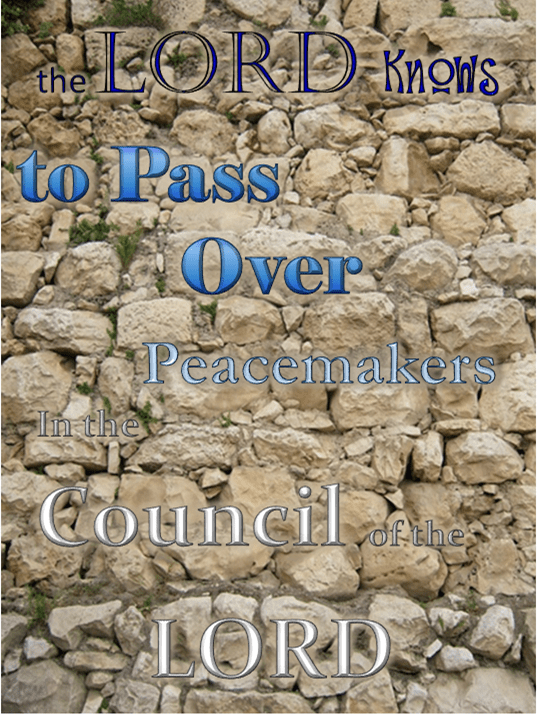
“Besodeiah“ means “In the Council of the LORD,” according to most scholars. The BDB Theological Dictionary translates as “In the Secret of the LORD,” seeing a secrecy in council meetings.
To read all of our posts on Nehemiah, click on the image above.

© 2026 Today in the Bible

 Today in the Bible
You must be logged in to post a comment.