

Elul 5, 5785; from sunset August 28, 2025, to sunset August 29, 2025
(The fifth day of the sixth month)
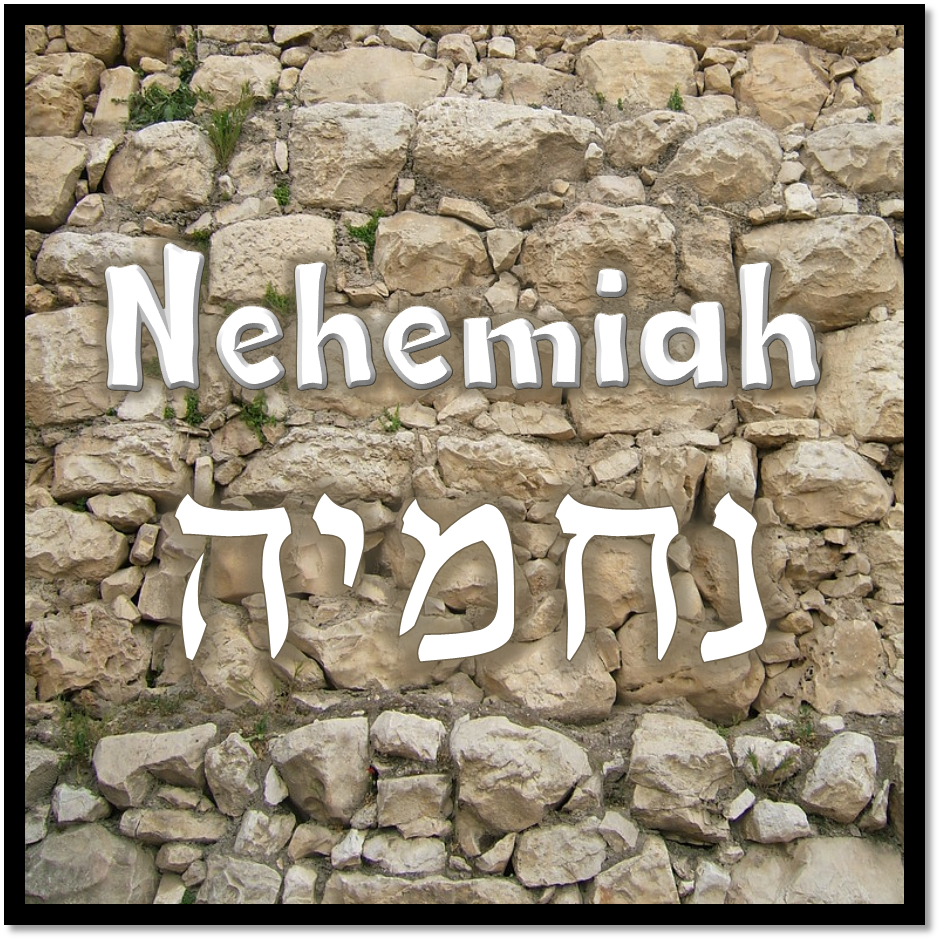
This is an image of a portion of the wall rebuilt by Nehemiah and company.
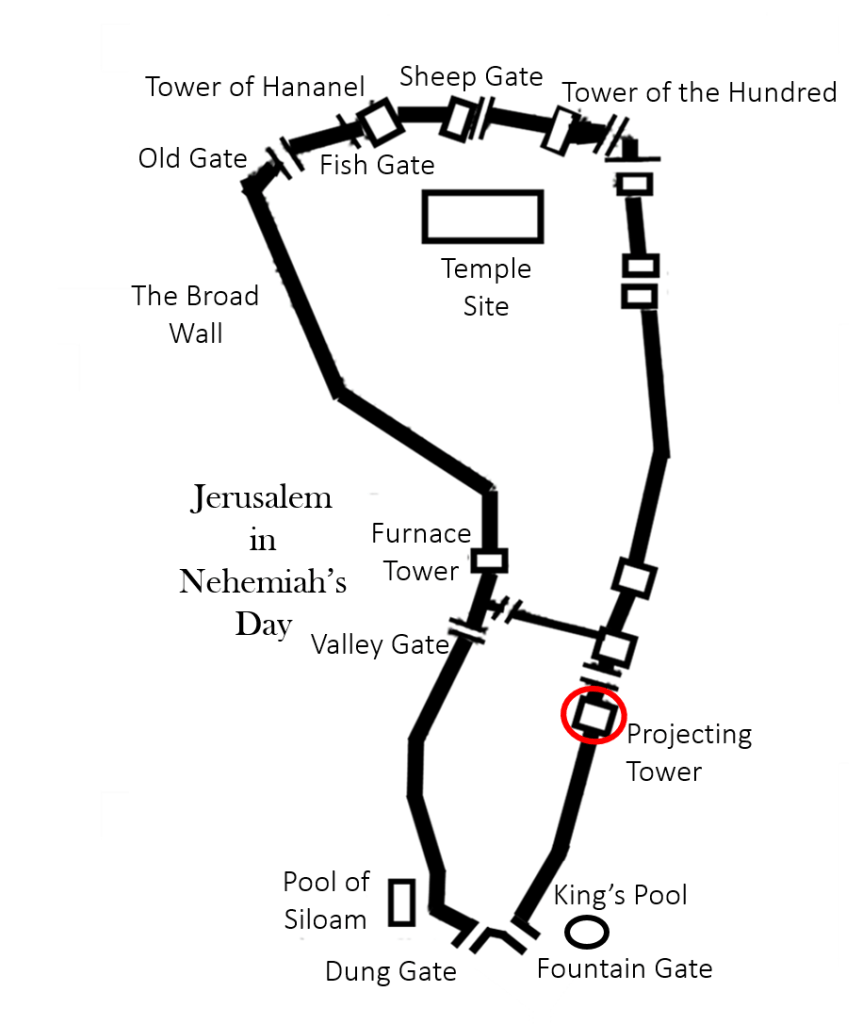
Today in the Bible, we’re continuing our study of the list of the names of the men who donated their time and labor to restore the walls and gates of Jerusalem. We’ll meet Pedaiah and see what we can learn about him, including the interesting name of his “father.” Let’s get started.
פְּדָיָה
Pedayah = Pedaiah
The name Pedaiah originates in the verb-root “padah” (פדה) meaning “to ransom, redeem, or deliver.” His name ends with “iah” – which we’ve run into a time or two already. When “iah” is found at the end of a name, it is an indicator of the Holy Name of the LORD. The name Pedaiah is found eight times in the Bible. It’s first occurrence is found in 2 Kings 23:35 as the name of King Jehoiakim’s maternal grandfather. It’s found three times in 1 Chronicles and four times in Nehemiah. Some of those may be referring to our Pedaiah, but it’s unclear.
| Verb Root | Transliteration | Meaning |
| פדה | padah | to ransom, redeem, or deliver |
| Prefix/Suffix | Transliteration | Comments |
| י | y, i | sometimes, just a “yod” (י), the first letter of God’s Holy Name, may serve as an indicator of its presence |
| ה | h | “yah” (יה) this combination of the 1st and 2nd letters of “The Name” is often translated as “iah” & is a very common name ending |
| ו | v, w, u, o | “yahu” (יהו) – the first three letters – is not quite as common but still found – as in “Elijah” – “Eliyahu” |
| ה | h | adding all four letters of “The Name” is not done |
These four letters represent God’s Holy Name. Many proper nouns use a combination of two or three of these letters as a prefix or a suffix to indicate an attachment to the Name of the LORD.
“Pedaiah” means “Ransomed, Redeemed, or Delivered of the LORD.”
Pedaiah was the son of Parosh.
פַּרְעֹשׁ
Par’osh = Parosh
The name Parosh is found six times in the Bible, all of them in Ezra and Nehemiah. Our verse says that Pedaiah was the “son” of Parosh. It’s possible that the word “son” in this instance indicates a descendant of a man named Parosh. Ezra 2:3 contains a record of the number of people who returned from Babylon. It says that, of the people of Parosh, “two thousand one hundred and seventy-two” made the journey. So, either Parosh was very prolific, or he was the head of a clan, and this number represented multiple generations.
According to the TWOT lexicon, the name “Parosh” means “flea.”
Just a reminder that it’s tradition to read Psalm 27 daily through the Feast of Tabernacles. You can find it by clicking on the link.
To read all of our posts on Nehemiah, click on the image above.

© 2026 Today in the Bible

 Today in the Bible
You must be logged in to post a comment.