

September/October
Tishrei (תִּשְׁרֵי) – 7th month; 30 days
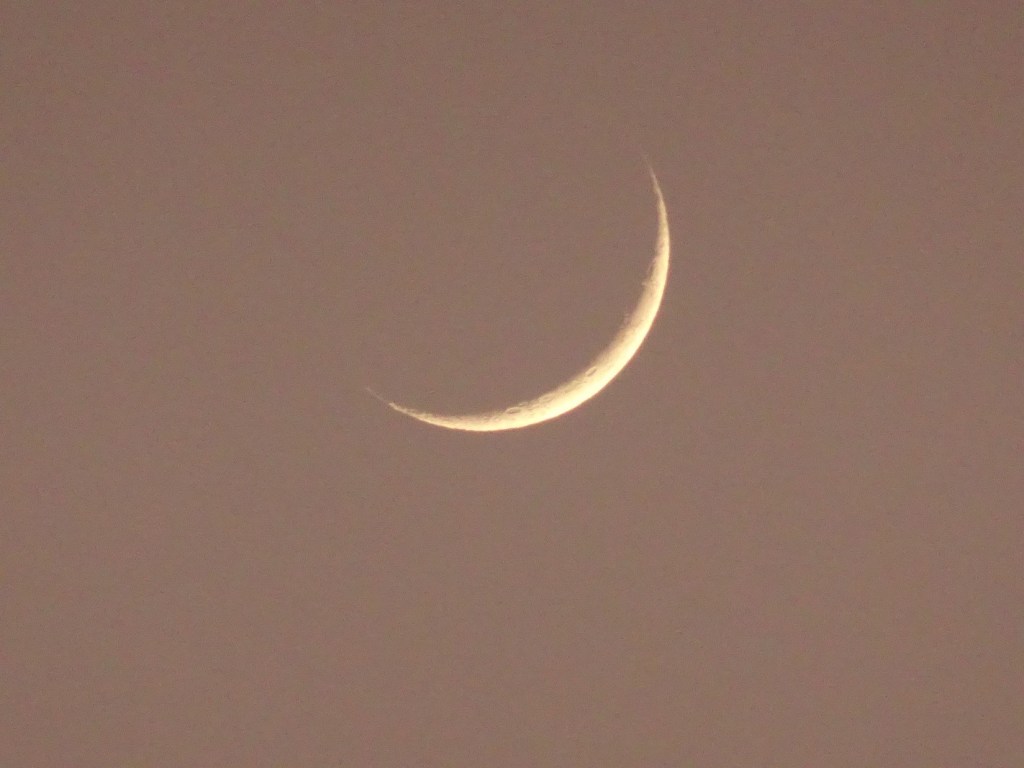
Also in the day of your gladness, in your appointed feasts, and at the beginning of your months, you shall blow the trumpets over your burnt offerings and over the sacrifices of your peace offerings; and they shall be a memorial for you before your God: I am the LORD your God.” – Numbers 10:10 (NKJ)
The word Tishrei means “beginning.” Tishrei was originally the first month of the year — and it is still the month found at the beginning of the “year.” The first day of Tishrei is the first day of the biblical new “year.” The first day of Tishrei is commonly called “Rosh Hashanah” which literally means “Head of the Year.” But, today, Tishrei is known as the seventh month. Why? Just before the exodus from Egypt, God instructed Moses that the first of months should be changed to the springtime, to commemorate the freedom from the bondage of the Egyptians (Exodus 12:1-2).
Now the LORD spoke to Moses and Aaron in the land of Egypt, saying, “This month shall be your beginning of months; it shall be the first month of the year to you.” – Exodus 12:1-2 (NKJ)
Originally the months of the year did not have a name but were known by number (the first month, the second month, etc.). After the Babylonian exile, the names of the months of the Babylonian calendar were used – oftentimes in tandem with the numerical month. The name Tishrei originated from the Akkadian word “tasritu” meaning “to begin.” So, Tishrei is now known as the seventh month, that is, the seventh month since springtime – the seventh month since God delivered the people of Israel from the bondage of the Egyptians.
So why did we not go back to using the numeric months? Why keep using the Babylonian names? Rabbi Menachem Posner explains why.
In the pre-Babylonian era, we find in the Scriptures only four months on the calendar that are identified by name:
- The first month (Nisan): Aviv
- The second month (Iyyar): Ziv
- The seventh month (Tishrei): Eitanim
- The eighth month (Cheshvan): Bul
The other months were just known by their place in the calendar—e.g., third month, fourth month—starting from the first month: first by virtue of the fact that it is the month when our nation left Egypt, the month when we became a nation. (Apparently, even the four months that had names were more often than not referred to by their numeric place on the calendar, with the names serving as secondary titles accompanying their numbers.)
The Jerusalem Talmud tells us that the modern names of the months “came up [to Israel] with [the returnees] from Babylon,” at the onset of the second Jewish commonwealth, approximately 350 BCE.
So, why did we begin to use these names? Why didn’t we stick with the biblical practice of referring to months by their number?
Nachmanides [“Moses son of Nahman”; 1194–1270] suggests that this is consistent with Jeremiah’s prophecy: “Therefore, behold days are coming, says G‑d, and it shall no longer be said [by one who wishes to pronounce an oath], ‘As G‑d lives, who brought up the children of Israel from the land of Egypt,’ but rather, ‘As G‑d lives, who brought up the children of Israel from the north land [Babylon] . . .’” – Jeremiah 16:14-15a
The original system was to count months in numeric order, starting from Nisan. Thus, any time a person mentioned a month, he was in effect recalling the exodus from Egypt: we are in, say, the sixth month—six months since the month of the Exodus. Thus, the numeric naming served as a constant reminder of our deliverance from Egypt.
After we were delivered from Babylonian captivity, however, we started using the names that we became used to using in Babylon. And now, these names served to remind us that G‑d has redeemed us from this second exile.[1]
Tishrei is a month that contains half of the Appointed Times listed in Leviticus 23. These are God’s self-proclaimed Holy Days.
- Feast of Trumpets – Yom Teruah
- Day of Atonement – Tom Kippur
- Feast of Tabernacles – Sukkot
- Eighth Day Assembly – Shemini Atzeret
Because of this, we expect the month of Tishrei to play an important role in future biblical events. The return of the Messiah, Judgement Day, God’s Dwelling Presence, New Heavens & New Earth. We hope you’ll stick with us this month as we remember the ancient past and explore the possible future events of Tishrei.

Just a reminder that it’s tradition to read Psalm 27 daily through the Feast of Tabernacles. You can find it by clicking on the link.
[1] https://www.chabad.org/library/article_cdo/aid/987524/jewish/Why-Babylonian-Names-for-Jewish-Months.htm; retrieved 4/16/23
Did you know that you can view any of our posts whenever you’d like?
Visit our home page at https://todayinthebible.com
where you can find them organized by month
in the “Archives” section on the right side of the page.

© 2026 Today in the Bible

 Today in the Bible
You must be logged in to post a comment.